
The Sarcopenia Defense: Why Building Lean Muscle is the Ultimate Metabolic Regulator

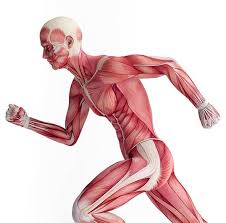
Anatomical illustration of human skeletal muscle system in a running pose, highlighting lean muscle mass for metabolic health.

Table Of Contents

In the world of metabolic health, we often focus on what we put into our bodies – the carbs, the fats, and the supplements. But in 2026, the scientific community is shifting its focus to the engine that burns that fuel: Skeletal Muscle.

While often viewed merely through the lens of aesthetics or strength, muscle is actually your largest endocrine organ. It is the primary “sink” for blood and glucose and the secret weapon against metabolic decline. Understanding the connection between muscle mass and metabolic health is the key to preventing Sarcopenia (age-related muscle loss) and maintaining Metabolic Flexibility.

Muscle as a “Glucose Sink”

Every time you eat, your blood sugar rises. To maintain health, that sugar needs to leave the bloodstream quickly. While insulin is the “key” that opens the door, skeletal muscle is the room where that sugar is stored.

Up to 80% of post-meal glucose is cleared by skeletal muscle. The more lean muscle mass you have, the larger your “sink” is. When muscle mass decreases (a hallmark of Sarcopenia) your “sink” gets smaller, leading to higher Glycemic Variability and increased risk of insulin resistence.

The Myokine Revolution: Muscle as an Endocrine Organ

When you contract your muscles during resistance training, they release small signaling proteins called Myokines. These are not just local messengers; they travel through the blood to talk to other organs.

  • Irisin: Helps “brown” your white fat, making it more metabolically active and thermogenic.
  • IL-6: In the context of exercise, this myokine acts as an anti-inflammatory, helping to heal the Systemic inflammation associated with metabolic syndrom.

Why 2026 is the Year of “Muscle-Centric Medicine”

We are moving away from measuring health by the scale alone. Two people can weigh 180 pounds, but the person with 10 pounds more muscle will have a significantly higher Basal Metabolic Rate (BMR) and better Mitochondrial Health.

The “Sarcopenic Obesity” Trap

Many individuals experience “Sarcopenic Obesity” – where body fat increases while muscle mass hides its decline. This is why CMG Data is so valuable; it can show you how your body handles sugar even if your weight isn’t changing. If you see rising glucose levels despite a stable weight, it’s a sign that your muscle “sink” may be shrinking.


3 Pillars of the Sarcopenia Defense Plan

  • Resistance Training (The “Mechanical” Pillar)
    You don’t need to be a bodybuilder, but you do need to challenge your muscles. Aim for two full-body resistance sessions per week. Focus on compound movements (squats, deadlifts, presses) that recruit the most muscle fibers and trigger the largest myokine release.
  • Protein Thresholds (The “Clinical” Pillar)
    To fight sarcopenia, you need the raw materials. Aim for 1.2 to 1.6 grams of protein per kilogram of body weight. In 2026, we also focus on Leucine, an amino acid that acts as the “on switch” for muscle protein synthesis.
  • Mitochondrial Recovery (The “Cellular” Pillar)
    Muscle is only as healthy as the mitochondria within it. Prioritize Zone 2 cardio (steady-state aerobic work) to increase mitochondrial density, ensuring your muscles aren’t just large, but efficient at burning fat and sugar.

Summary Checklist

  • Goal: Build and maintain lean mass to increase your “glucose sink.”
  • Action: 2-3 resistance training sessions per week.
  • Monitor: Track your Insulin Sensitivity through regular labs or wearables.
  • Outcome: Improved metabolic flexibility and lower biological age.

    Expert Note: Muscle is the currency of longevity. You cannot buy it, you can only earn it through consistent mechanical tension and metabolic demand. – Healthality Editorial Team
Leave a Reply

Your email address will not be published. Required fields are marked *

    Transparency Matters: Some of the links on Healthality are affiliate links, including links to the Amazon Associates program. This means that, at no additional cost to you, we may earn a small commission if you click through and make a purchase. As an Amazon Associate, I earn from qualifying purchases. This helps support our research and keeps our content free for you. We only recommend products we truly believe in and that align with our mission of longevity and wellness.This is a basic text element.
    Copyright © 2026 Healthality. All Rights Reserved.

    No part of this website may be reproduced, distributed, or transmitted in any form or by any means, including photocopying, recording, or other electronic or mechanical methods, without the prior written permission of the publisher, except in the case of brief quotations embodied in critical reviews and certain other noncommercial uses permitted by copyright law.
    Follow Us