
The 2026 Cancer Epidemic: Why Early-Onset Cases are Rising

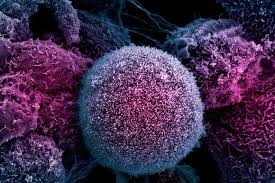
Microscopic view of human cancer cells showing irregular shapes and clustered growth, illustrating the cellular impact of the 2026 cancer epidemic.

Table Of Contents

The landscape of global health is shifting. While we have made monumental strides in medical technology, 2026 presents a complex “cancer epidemic” defined by a paradox: we are better at saving lives than ever before, yet more people—and increasingly younger people—are facing a diagnosis.

According to the latest American Cancer Society (ACS) reports, the United States alone is projected to see over 2.1 million new cancer diagnoses this year. That averages out to about 5,800 people receiving life-altering news every single day.


1. The Survival Milestone

The headline for 2026 is one of hard-won hope. For the first time, the five-year relative survival rate for all cancers combined has reached a historic 70%.

This progress is fueled by:

  • The Immunotherapy Revolution: Treatments that train the body’s own immune system to fight tumors have doubled survival rates for some advanced cancers, such as metastatic melanoma.
  • Precision Medicine: Targeted therapies are now less toxic and more effective, allowing patients to live longer with a higher quality of life.
  • Early Detection: Improved screening for lung and breast cancers is catching more cases at a localized stage where they are highly treatable.

2. The Troubling Rise of “Early-Onset” Cancer

Despite these gains, a “silent” epidemic is unfolding among adults under 50. Colorectal cancer, once considered a disease of the elderly, has now become the leading cause of cancer-related death in this age group.

Researchers point to several modern drivers:

  • Ultra-processed Diets: Diets high in sugars and unhealthy fats—and low in fiber—are altering gut microbiomes in ways that may trigger early-onset cases.
  • The “Exposome”: This refers to the lifetime accumulation of environmental exposures, including microplastics and chemical compounds in beauty and food products.
  • Lifestyle Shifts: Rising rates of obesity, sedentary behavior, and alcohol consumption are contributing to an “adiposity exposure” that younger generations are accumulating earlier than their parents did.

3. The Power of the Preventable

Perhaps the most striking finding of 2026 is that nearly 40% of all cancer cases worldwide are linked to preventable causes.

Key Preventable Risk Factors:

  • Tobacco: Still the leading cause, responsible for 15% of all new cases.
  • Infections: For the first time, global data highlights that10% of cancers are caused by preventable infections like HPV and Hepatitis B.
  • Environmental Factors: Air pollution and high UV exposure remain significant, particularly in regions like Florida.

Moving Forward: Awareness as Action

The “epidemic” we face today is not just a medical challenge, but a lifestyle and policy one. While we celebrate that 7 in 10 patients now survive past the five-year mark, the focus must shift toward prevention and early intervention. For those under 50, the message is clear: do not ignore changes in your body, and advocate for screenings as early as age 45.

The Foundation of Prevention: Prioritizing Mitochondrial Health

As we look toward the future of oncology in 2026, the conversation is shifting from just “DNA damage” to the health of our mitochondria—the power plants of our cells. Research increasingly suggests that cancer may be as much a metabolic disease as a genetic one. When our mitochondria are compromised, they produce excessive oxidative stress and signal cells to switch to “fermentation” for energy, a process often associated with tumor growth.

Maintaining robust mitochondrial health is one of our most potent tools for long-term prevention. By focusing on cellular energy, we aren’t just avoiding a diagnosis; we are optimizing our body’s natural ability to repair itself.


How to Support Your Cellular Powerhouses

  • Metabolic Flexibility: Incorporating periods of intermittent fasting or reducing refined carbohydrates helps mitochondria switch efficiently between burning glucose and fats, reducing cellular “sludge.”
  • Movement as Medicine: High-intensity interval training (HIIT) and strength training stimulate mitophagy—the body’s way of clearing out damaged mitochondria and replacing them with new, efficient ones.
  • Circadian Rhythm Alignment: Quality sleep and morning sunlight exposure regulate the production of melatonin, which is not just a sleep hormone but a premier antioxidant that protects mitochondrial DNA.
  • Nutritional Co-Factors: Supporting the body with magnesium, CoQ10, and B vitamins provides the raw materials necessary for the electron transport chain to function without leaking harmful free radicals.

In an era of rising environmental challenges, protecting your metabolism at the cellular level is the ultimate act of resilience. By fueling our mitochondria correctly, we provide our bodies with the energy required to monitor, detect, and eliminate malfunctions long before they become an epidemic.

Leave a Reply

Your email address will not be published. Required fields are marked *

    Transparency Matters: Some of the links on Healthality are affiliate links, including links to the Amazon Associates program. This means that, at no additional cost to you, we may earn a small commission if you click through and make a purchase. As an Amazon Associate, I earn from qualifying purchases. This helps support our research and keeps our content free for you. We only recommend products we truly believe in and that align with our mission of longevity and wellness.This is a basic text element.
    Copyright © 2026 Healthality. All Rights Reserved.

    No part of this website may be reproduced, distributed, or transmitted in any form or by any means, including photocopying, recording, or other electronic or mechanical methods, without the prior written permission of the publisher, except in the case of brief quotations embodied in critical reviews and certain other noncommercial uses permitted by copyright law.
    Follow Us